Prompt Engineering
prompt engineering
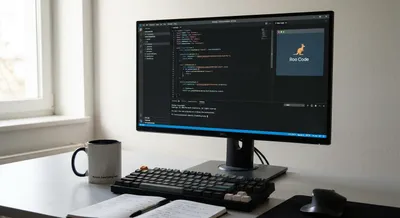
Roo Code: A Claude-Powered Dev Agent Inside VS Code
This article unpacks Roo Code’s capabilities – from editing multiple files at once to running your test suite in the terminal – and shows how it can...
Prompt Engineering
Prompt engineering is the practice of crafting the inputs you give to a language model so it produces the best possible output. Because these models respond to text instructions, small changes in wording, examples, or constraints can greatly affect the result. People use techniques like giving clear step-by-step directions, showing example outputs, and specifying the desired format to guide the model. Iterating quickly and testing different phrasing is part of the process, since what works for one model or task might fail for another. This skill matters because it makes AI systems more useful and reliable for real work, from drafting emails to writing code or analyzing data. Good inputs can reduce errors, save time, and lower computing costs by avoiding repeated runs to get usable results. It also helps control the tone, length, and style of the model's responses, which is important for professional or user-facing tasks. However, prompt engineering has limits: models can still hallucinate facts or reflect biases in their training data. So while prompts are a powerful tool, they need to be paired with verification, human oversight, and careful design to be safe and effective. Learning how to write good prompts becomes a practical skill for anyone who relies on generative AI tools.
Get New AI Coding Research & Podcast Episodes
Subscribe to receive new research updates and podcast episodes about AI coding tools, AI app builders, no-code tools, vibe coding, and building online products with AI.